The Complete Guide to Building and Using Garden Beds

Introduction
Over the past few decades, home gardening has changed a lot. What used to be limited to in-ground plots with set soil conditions has grown into imaginative, adaptable systems that fit modern life. People who own homes today want gardens that are useful, easy to care for, look good, and can fit in small spaces. There have been many new ideas that have led to this change, but the raised garden bed is a practical and long-lasting option for both new and expert gardeners. It gives them structure, control, and efficiency, which helps them grow better plants with fewer problems.
This way of gardening combines old-fashioned growing methods with new design ideas. Instead of dealing with weeds spreading from nearby ground, drainage problems, or soil that is too compacted, gardeners can make a clear growth area that helps plants develop strong from the roots up. Elevated growing systems make it possible to get consistent results and have more fun gardening, whether you’re using them in a suburban backyard, on a rooftop terrace, or in a small courtyard.
What Elevated Growing Spaces Are All About
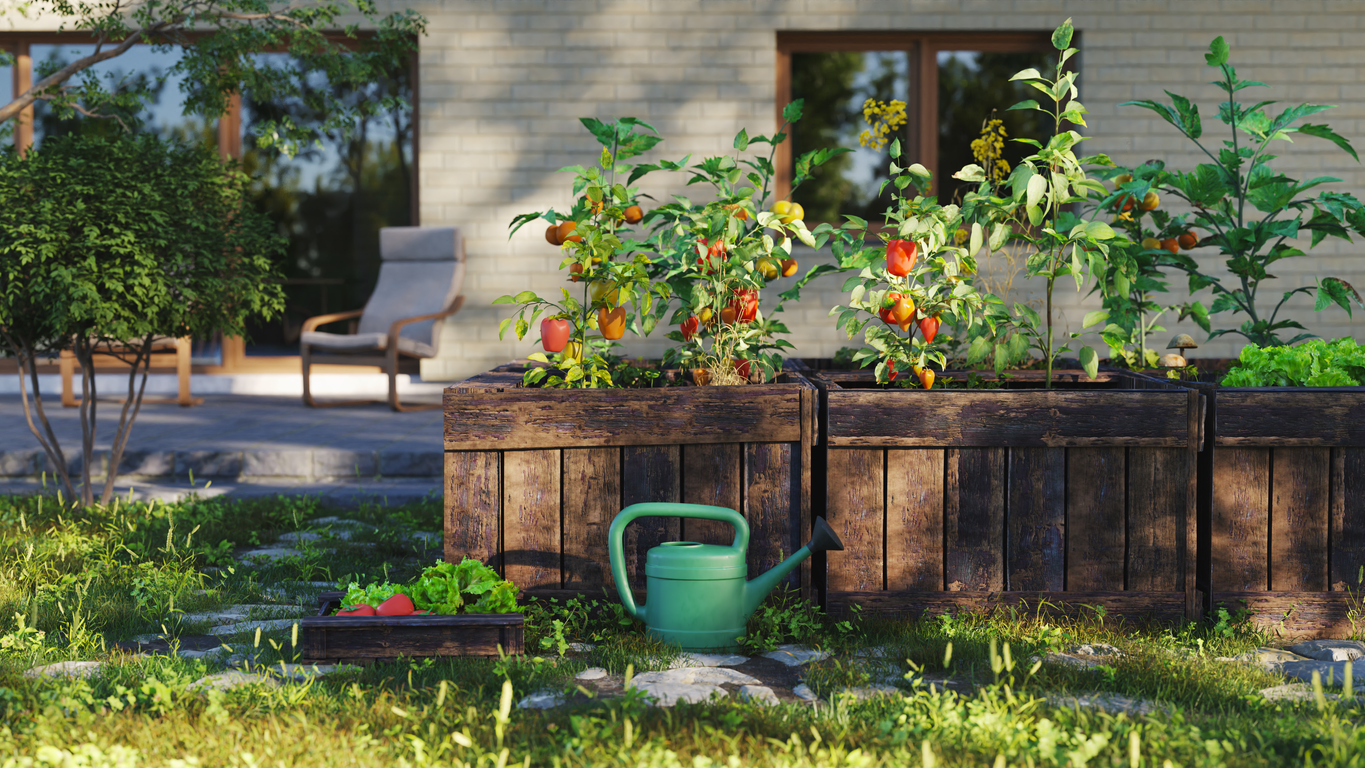
This type of gardening is all about making a space where the earth is raised above ground level. The construction can be built of wood, stone, metal, or a mix of materials, and it holds a properly prepared growing media. The technology works so well because it is not connected to the natural soil. Gardeners don’t have to worry about bad soil, too much clay, or sandy textures that don’t hold nutrients well anymore.
Gardeners may control moisture, aeration, and fertility with great accuracy by creating a controlled environment. This method helps roots grow stronger and lowers the burden on plants. Over time, the system turns into a self-sustaining ecosystem where organic matter slowly breaks down, making the soil richer season after season.
Why Gardeners Choose Structured Beds
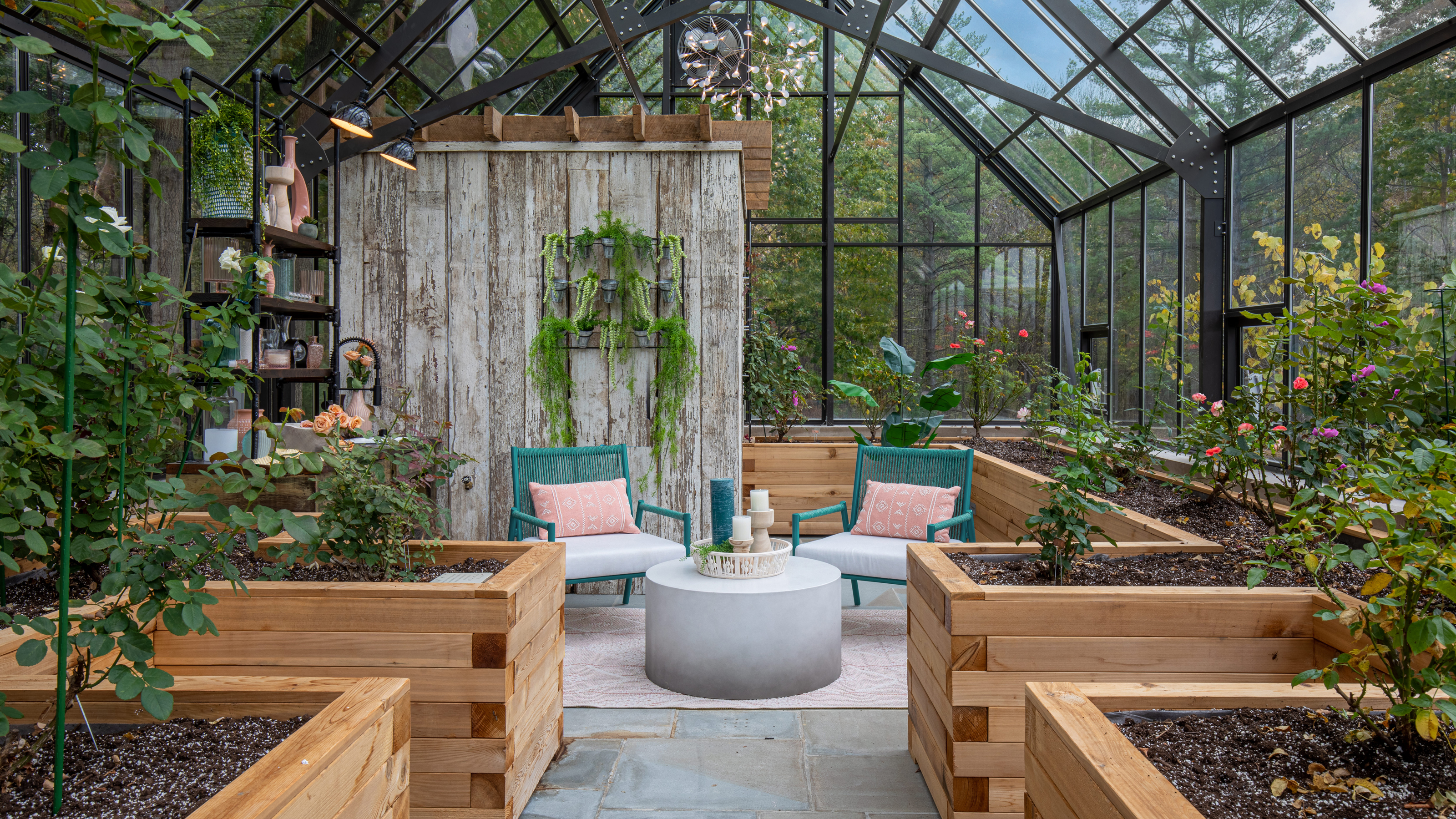
One of the main reasons people choose a raised garden bed is that it makes the soil better right away. Plants get more nutrients and oxygen because the soil mix is carefully chosen and stacked. Drainage also gets a lot better, which is important for stopping root rot and fungal illnesses.
Another big plus is that it’s easy to get to. Gardening is easier for people of all ages when the surfaces are higher up because they don’t have to stoop or kneel as much. This ergonomic feature lets gardeners often spend longer time caring for plants without getting tired. Defined borders also assist keep paths tidy and stop soil from washing away during heavy rain.
Another benefit that can’t be ignored is weed management. Because the growing space is separate from other areas, undesirable plants have a harder time getting in. This implies that there will be less competition for water and nutrients, and you won’t have to spend as much time picking weeds.
Flexible Design and Creative Options
There are almost no limits to how structured garden spaces can be designed. You can make them in different forms and sizes to fit the space you have and your tastes. Vegetable gardens often have rectangular layouts, whereas decorative plants may have square or curved ones. You may also change the height, so gardeners can change the depth to fit the needs of the plant roots.
A raised garden bed can fit in perfectly with the rest of the landscaping. It can frame paths, mark off outdoor living spaces, or even be the main focus of the space. You might choose materials that go with the architecture around them to make an outdoor space that seems planned and finished.
Picking the Right Materials
Choosing the right materials is really important for how long something will last and how it will look. Natural wood adds warmth and goes well with plants, while stone and brick give a classic, strong style. Metal alternatives look modern and last a long time, especially when they are coated to keep them from rusting. Composite materials are popular to busy households since they don’t need much upkeep and are always the same.
No matter what the material is, safety is crucial. Gardeners should make sure that the materials they choose don’t have any dangerous substances that could get into the soil. Proper building also keeps things stable so that they don’t distort or fall apart over time.
How to Prepare and Layer Soil
The soil must be healthy for any garden to do well. Gardeners who use raised beds may make their own soil from scratch, which is a big plus. A balanced mix usually has topsoil, organic compost, and things that make the soil more airy, including gritty sand or old bark. This mix makes a framework that keeps moisture in while letting extra water drain out easily.
Layering can make a raised garden bed work even better. You can put heavier materials at the bottom to help with drainage, and then add layers that are full of nutrients to help plants thrive. Over time, organic matter breaks down and feeds good bacteria, making the soil a living ecosystem that gets better every year.
Choosing Plants and Planning for the Seasons
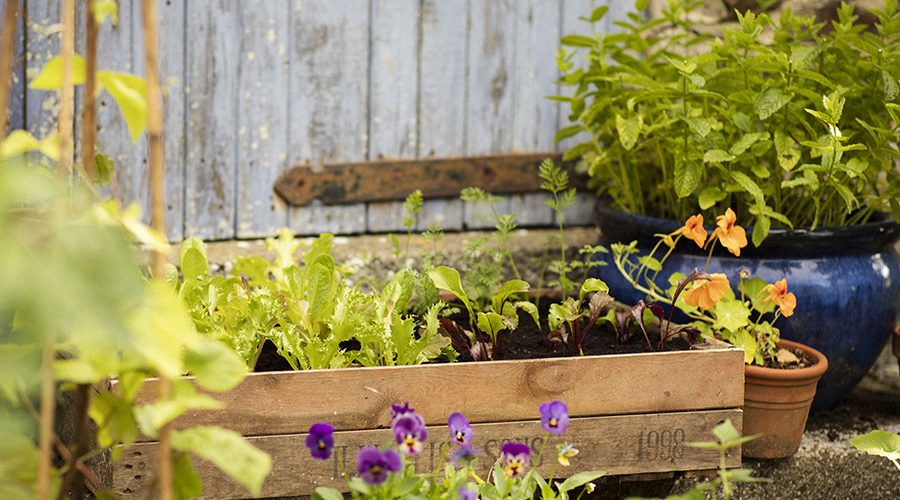
One of the best things about gardening in an elevated system is that you can grow many different types of plants. When given the correct conditions, vegetables, herbs, flowers, and even small fruiting bushes can do well. In the spring, the earth warms up faster, thus planting can generally start sooner than in-ground gardening.
It’s easier to manage crop rotation and companion planting when you have specified spaces. Gardeners can better arrange seasonal changes by replacing harvested crops with fresh ones without bothering the areas around them. This efficiency makes it possible to keep producing all through the growing season.
Managing Water and Irrigation
Plants need to be watered properly to stay healthy, and planned garden systems make this easier. Because the soil composition is controlled, it’s easier to forecast how water will spread. Installing drip irrigation systems is simple, and they provide moisture directly to plant roots while cutting down on waste.
Putting mulch on the ground helps keep moisture in and control the temperature of the soil. In warmer places, this can cut down on evaporation a lot. In cooler places, it shields roots from rapid changes in temperature. These methods work well on a raised garden bed, making it a solid place to grow plants even when the weather is unpredictable.
Ongoing Care and Long Life
Generally, the maintenance needs of these gardens are less than those of typical gardens, although they still need regular care. Adding dirt every so often keeps the levels of nutrients in equilibrium. Adding compost every season brings back organic materials and helps good organisms grow.
Checking the structure makes sure it will be stable for a long time. Materials may move or wear out over time, but fixing them quickly will make the garden last longer. A raised garden bed can stay useful for many years if you take care of it properly. It can even become a permanent element of the landscape.
Gardening in Small and Urban Areas
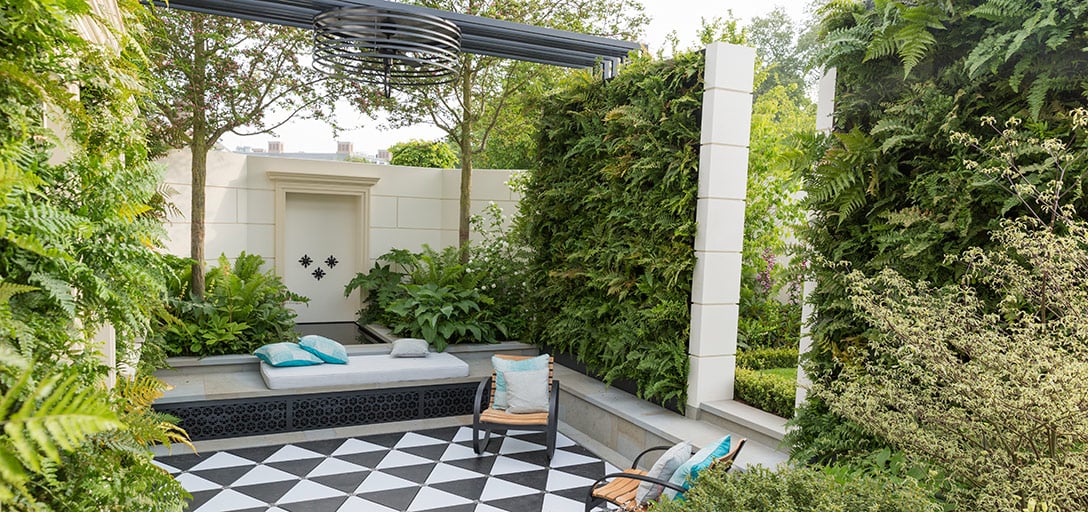
Urban areas can be hard to work in since they often have problems like limited ground access, dirty soil, or not enough open space. Solutions for elevated gardening solve these problems quite well. You can turn rooftops, balconies, and patios into useful green spaces that help grow food and make the air cleaner.
People who live in cities can reconnect with nature by using a raised garden bed, which doesn’t need a lot of space. It also helps the environment by boosting local food production and cutting down on the need for food that has to be shipped in.
Benefits for the Environment and Health
Gardening gives you more than simply fresh food. It helps with mental health, lowers stress, and gets people moving. Taking care of plants gives you a sense of accomplishment and connects you to the cycles of nature.
Structured gardens encourage prudent use of resources from an environmental point of view. Watering plants in a controlled way cuts down on waste, and composting organic matter cuts down on what goes to landfills. These little things add up over time to make a big difference.
Changing with the Weather
The weather can make a big difference in how well plants grow, but raised systems work well in a wide range of settings. In colder areas, the earth heats up faster in the spring, which makes the growth season longer. In warmer places, the right amount of shade and mulch can help keep the temperature stable and keep moisture from escaping.
Gardeners can try out new crops and methods because the weather is easier to handle. A raised garden bed offers a place to learn and grow, which boosts creativity and self-esteem.
Making Gardening a Long-Term Habit
To be a good gardener, you need to be consistent. Defined areas make it easy to set up habits, like when to water plants and when to grow new ones. As time goes by, gardeners learn more about what plants need and how soil works.
This systematic method helps people stay involved for a long time. Instead of feeling overwhelmed by care, gardeners like the sense of order and consistency that keeps them coming back.
Conclusion: A Long-Term Investment in Living Green
Picking an elevated gardening system is more than just a design choice; it’s a way to make your plants healthier, use space more efficiently, and improve your own health. The raised garden bed gives the garden structure without stifling creativity. It strikes a balance between management and natural growth.
This method is still a good and satisfying choice for gardeners who want to produce their own plants in a way that is good for the environment and fun. With careful planning and care, it turns any space into a beautiful, nourishing, and satisfying garden that lasts all year.
Read More:- Best Paint for Kitchen Cabinets for a Smooth and Durable Finish