Gothic Home Decor Ideas for Dark, Elegant, and Timeless Interiors


Introduction
Gothic home decor is not just a style. It shows how you feel, your past, and who you are. This style is based on medieval architecture and was later brought back to life by Victorian and romantic inspirations. It embraces darkness without being chilly, elegance without being too much, and drama without being chaotic. Homes built in this style use shadow, texture, and symbolism to tell stories, making rooms that seem very personal and are also quite interesting to look at.
Gothic interiors have changed a lot in the last several years. They are no longer just for castles and cathedrals. People who live in apartments, modern homes, and even minimalist spaces are learning how to integrate gothic styles in their homes. If done right, gothic home décor doesn’t feel too much, too dark, or too trendy. Instead, it feels classy, mysterious, and ageless.
This article talks about the history of gothic style, its main design features, color schemes, furniture options, lighting techniques, ideas for each room, and modern versions of the style. If you want to make a gothic interior that really draws you in or just add a few dark touches, the key to making it work is to comprehend the style’s philosophy.
The History and Growth of Gothic Style in Homes

The gothic style comes from medieval Europe, where tall cathedrals, pointed arches, ribbed vaults, and detailed stone carvings were the most common types of buildings. These places were meant to make people feel awe and spirituality by using height, darkness, and decoration to achieve so. These ideas had an effect on interior design over time, especially in big homes and cathedrals.
In the Victorian era, gothic design made a comeback. Dark wood furniture, heavy curtains, fancy details, and dramatic wallpapers were signs of class and romance. The gothic style we know today was shaped by this time, which mixed medieval ideas with Victorian comfort.
Gothic house decor has become a flexible trend in modern design. Depending on how the parts are put together, it might be romantic, dramatic, minimalist, or even modern. The essential idea is still the same: using contrast, texture, and storytelling to set the mood.
Getting to Know the Mood and Philosophy of Gothic Interiors
The main idea of gothic design is emotion. Gothic interiors are different from bright and airy styles that emphasis on openness because they focus on closeness and depth. Rooms feel like they’re closed off, but they’re also cozy and dramatic. It’s not a good idea to avoid shadows; instead, you should plan how to use them.
People who like history, literature, art, and being different typically like Gothic home design. It lets homeowners show off their personalities by making bold decisions instead of following trends. The style stresses craftsmanship, symbolism, and detail, which gives each piece a sense of purpose.
This kind of thinking also stresses equilibrium. Darkness goes with elegance, richness goes with restraint, and drama goes with harmony. When these things are put together in a smart way, gothic homes feel rich instead of heavy.
Gothic Home Decor Color Schemes
Color is very important for making gothic spaces. The style is based on deep, rich colors. Black is generally the main color, which stands for mystery and depth, yet it is not often utilized by itself. Instead, it has layers of colors that go well together to make it richer and warmer.
People often employ colors like deep burgundy, emerald green, royal purple, charcoal gray, and midnight blue. When coupled with matte finishes or textured surfaces, these hues give off a sense of elegance and timelessness.
Gold, brass, bronze, or antique silver metallic embellishments offer contrast and style. These highlights keep dark areas from seeming flat and add a soft glow that makes the room feel better overall. In gothic home decor, color is not about how dazzling it is but how deep and intense it is.
What to Look for in Gothic Furniture
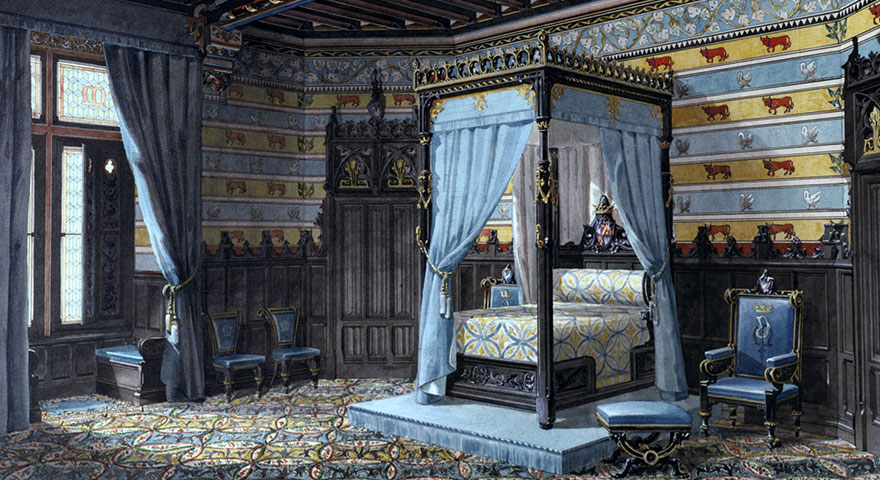
Furniture in gothic interiors usually seems heavy and solid. Most of the time, the pieces are well-made, have fancy details, and classic shapes. Dark wood treatments like mahogany, walnut, or ebony are very popular since they make the design look even richer.
Furniture with upholstery is quite significant. Brocade, velvet, and leather textiles provide texture and comfort while keeping things dramatic. Gothic style is often linked to high-back chairs, tufted sofas, and carved headboards.
Traditional gothic furniture can be very detailed, while modern versions frequently make the shapes simpler. You can get a gothic look without too much adornment by using dark materials with clean lines. This method makes gothic home design possible even in modern homes.
What Textures and Materials Do
To make a gothic environment feel rich and real, texture is really important. Just having smooth surfaces won’t do justice to the style’s complexity. Instead, a combination of materials is used to make things stand out and seem interesting.
Each of these materials—stone, wood, metal, glass, and fabric—adds something special. Polished wood gives warmth and sophistication, while rough stone or brick walls give off a medieval feel. Metals add strength and structure, while soft materials make things more comfortable by balancing out the heaviness.
Gothic home decor has a tactile quality because of things like velvet curtains, lace accents, distressed wood, and aged finishes. These textures make you want to touch them and give the room a feeling of depth that makes it feel alive and expressive.
How to Use Light to Create a Dramatic Mood
One of the most important things in gothic design is lighting. Gothic interiors don’t use bright lights to fill a room; instead, they use controlled lighting to change the mood and create shadows. Soft, warm light makes a space feel cozy and brings out architectural details.
Wall sconces, chandeliers, candle-style lamps, and lanterns are all classic ways to illuminate a room. These fixtures frequently have intricate designs, dark metals, or antique finishes that go well with the rest of the room.
If you pick the right modern lighting, it can also look good. Dimmable lights give you options, and warm color temperatures keep the comfortable, dramatic feel. Lighting in gothic home design isn’t just for looks; it also affects how a room feels at different times of the day.
Gothic Wall Treatments and other Decorative Items
In gothic homes, walls are rarely plain. They are like canvases for art, texture, and stories. Dark paint colors are prominent, but wallpaper with damask, floral, or baroque patterns is also very popular.
Art is a big part of what makes a person who they are. Portraits, classical paintings, moody photography, and symbolic art all make the place seem better. Frames often have a lot of detail, are made of metal, or look worn to fit the style.
Mirrors with fancy frames, tapestries, and sculptural wall art give the room more dimension and reflect light. These things help break up gloomy surfaces and offer layers of visual appeal, which is what gothic home design is all about.
How to Make a Gothic Living Room

The living room is usually the most important room in a gothic home. It establishes the mood for the remainder of the room and shows off the style’s most important parts. The dark walls and soft seating make for a snug but dramatic setting that is perfect for talking and relaxing.
A velvet or leather statement sofa gives the area a base, and accent chairs offer depth. Dark wood or metal coffee tables create contrast, while piled rugs make the room feel softer and warmer.
Candles, books, and other decorative items finish out the look. Everything in a gothic living room seems planned out, which makes the room feel whole and immersive.
Gothic Bedroom Design for Comfort and Drama
Gothic-style bedrooms are cozy, romantic, and very personal. The bed is the main focus, and it usually has a fancy headboard or a dark wood frame. Rich textiles like satin or velvet make things more comfortable and add to the dramatic look.
When you put dark bedding with lighter decorations, the space feels more balanced and not too heavy. Soft lighting, layered fabrics, and carefully chosen art all make the space feel like a sanctuary and a place to relax.
Gothic bedroom decor is all about making a safe place to sleep. It is a place where mood, comfort, and self-expression all work together.
Gothic Dining and Kitchen Areas
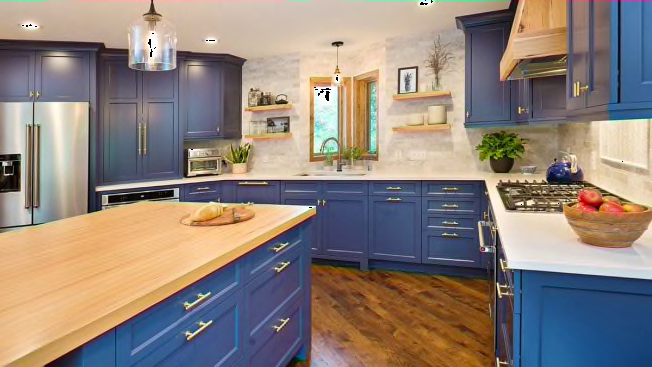
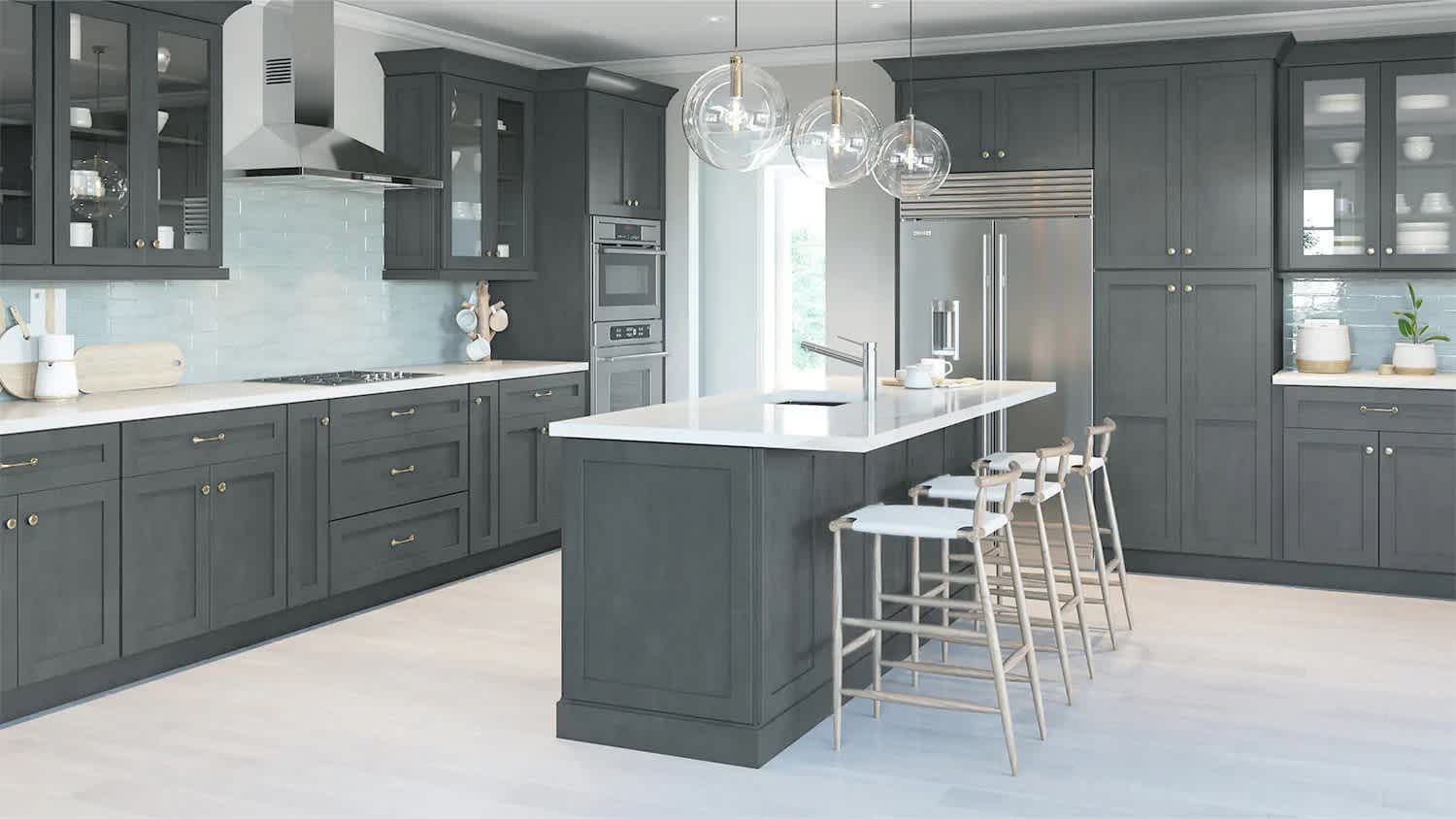
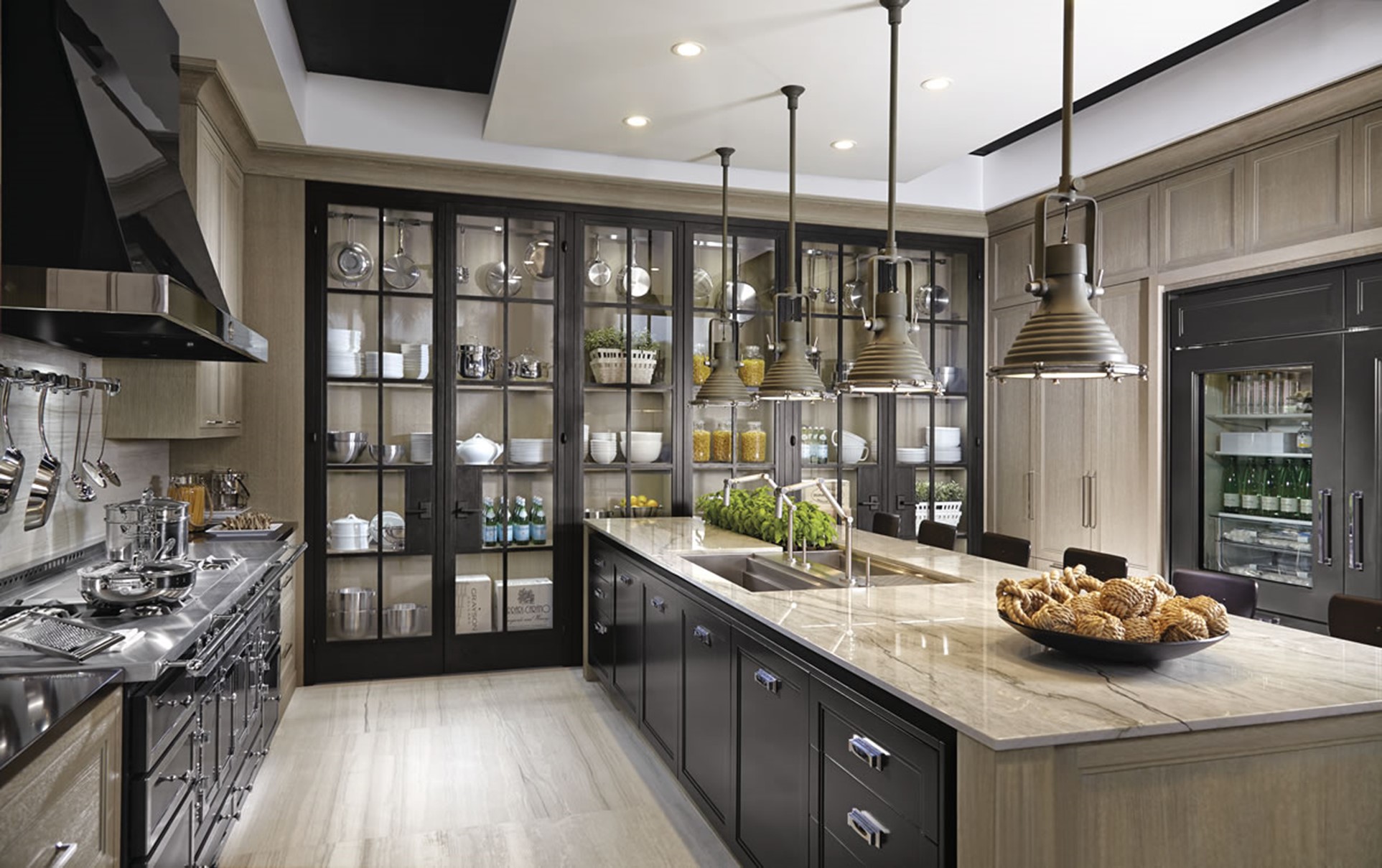
Gothic style adds a distinctive twist to the classic light and utilitarian kitchen. Dark cabinets, stone countertops, and metal hardware give a dramatic and classy design. These things feel more like luxury than stress when they are lit correctly.
Gothic style is quite good for dining rooms. Heavy oak tables, dramatic lighting, and rich fabrics make the perfect setting for parties and small meals. Table arrangements, art, and decorative touches add to the mood even more.
Gothic house decor shows that even functional places may be dramatic and elegant without losing their usefulness.
How People Today think about Gothic Home Decor
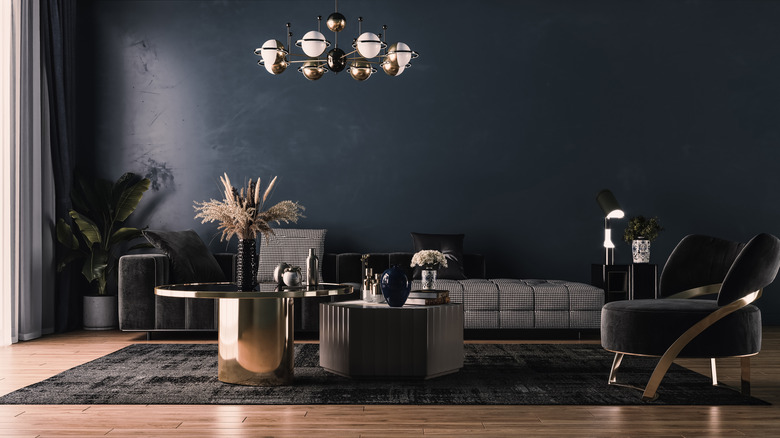
Modern gothic design combines old-fashioned styles with modern minimalism. This design is popular with homeowners who like the dark, moody look of gothic style but want cleaner lines and fewer decorations.
A modern gothic look can be made by using neutral backgrounds with dark furnishings, soft textures, and well-placed lighting. Instead of putting a lot of decorative things in a room, a few well-chosen statement items set the mood.
This change illustrates how flexible gothic house decor can be. It can feel like it came from the past or the present, or it can be dramatic or subtle, depending on your taste and design choices.
Gothic Style and Everyday Life: Finding a Balance
People often think that gothic interiors are not useful, which is not true. When done well, the style can be quite useful in real life. It’s still necessary to think about comfort, organization, and ease of use.
To keep areas from seeming too locked up, it’s important to balance dark materials with lighter accents, natural light, and open layouts. Putting furniture and storage in the right places makes the home more livable and welcoming.
Gothic house decor works best when it shows off the way the people who live there live. It should make life easier, not harder.
Conclusion: Enjoying the Beauty of Gothic Home Decor
Gothic home decor is a celebration of depth, emotion, and individuality. It encourages homeowners to get away from boring design trends and make rooms that are full of personality and purpose. Gothic homes convey stories that feel both timeless and personal with their deep hues, layered textures, dramatic lighting, and carefully chosen furniture.
The most important thing is to find a balance and have a clear purpose, whether you go all out with the style or only add a few gothic touches. Gothic design becomes not only visually remarkable but also quite welcoming when darkness is mixed with elegance and drama with comfort.
Anyone can incorporate the beauty of gothic home decor into their home and make it feel both bold and timeless by learning about its history, principles, and modern interpretations.
Read More:- The Complete Guide to Building and Using Garden Beds