
Bathroom Tile Repair Complete Homeowner Guide


Introduction
Tiles are very important for the look, safety, and cleanliness of any bathroom. Even the strongest tiles can break, come loose, or lose their original appeal with time because of moisture, regular use, or movement in the structure. Homeowners can maintain both the look and the function of their homes by knowing how restoration works. Bathroom tile repair is necessary not only when damage is obvious but also when problems start to impair the integrity of the grout, waterproofing, and flooring. Fixing these issues early on stops bigger and more costly renovations from happening later.
Why Bathroom Tiles Break Down Over Time
Bathrooms have special characteristics that speed up the wear and tear on materials. Tiles and grout steadily lose their strength when they are constantly exposed to dampness, hot showers, and cleaning products. If you don’t take care of them, hairline cracks can also get bigger when the house settles. In many cases, tiles break not because the materials are bad, but because moisture gets behind them and weakens the glue that holds them together. The first step to bathroom tile repair that will endure is to figure out what caused the problems in the first place.
Signs That Tiles Need to Be Fixed
.png)
Cracks that you can see are the most obvious symptom of damage, but there are other signs that homeowners should not ignore. If you tap on tiles and they make a hollow sound, it usually means that the glue underneath is failing. If the grout lines change color, it could mean that moisture is trapped or mold is growing. Tiles that are loose and move about when you walk on them can be dangerous, especially in moist regions. These early indicators mean that you should prepare to bathroom tile repair right away to stop water damage from spreading behind walls or flooring.
Learning about the Different Kinds of Tile Damage
There can be surface-level chipping or significant structural problems with tiles. Chips on the surface are frequently caused by things falling, and they may only be cosmetic. Cracks, on the other hand, go deeper and break the waterproofing. When grout wears away, it lets moisture get to the edges of tiles, which makes them more likely to come loose. In the worst circumstances, whole pieces of tiles come off because the substrate fails. To fix bathroom tiles correctly, you need to know what kind of damage you have. This is because each form of damage needs a different repair method.
Tools and Supplies Needed for Tile Repair
Using the correct equipment and materials is important for a successful restoration. Chisels, scrapers, spacers, and rubber mallets are some of the basic equipment you need. Replacement tiles, waterproof adhesives, and sealants are some of the supplies you could need. In bathrooms, where movement and wetness are always present, it’s especially necessary to use high-quality grout and flexible adhesive materials. Choosing the right products for bathroom tile repair not only cures the problem you can see, but it also makes the region around it stronger so it won’t get damaged again.
Getting the Bathroom Ready for Repairs
Preparation is often forgotten, yet it has a big impact on how well repairs go. Before work can start, the bathroom must be clean, dry, and free of soap and dust. To save things from getting damaged by accident, protect the things around them. Proper ventilation helps adhesives and grout dry properly. Careful planning lays the groundwork for long-lasting bathroom tile restoration and lowers the chance of having to do it again later.
How to Replace Tiles in Steps
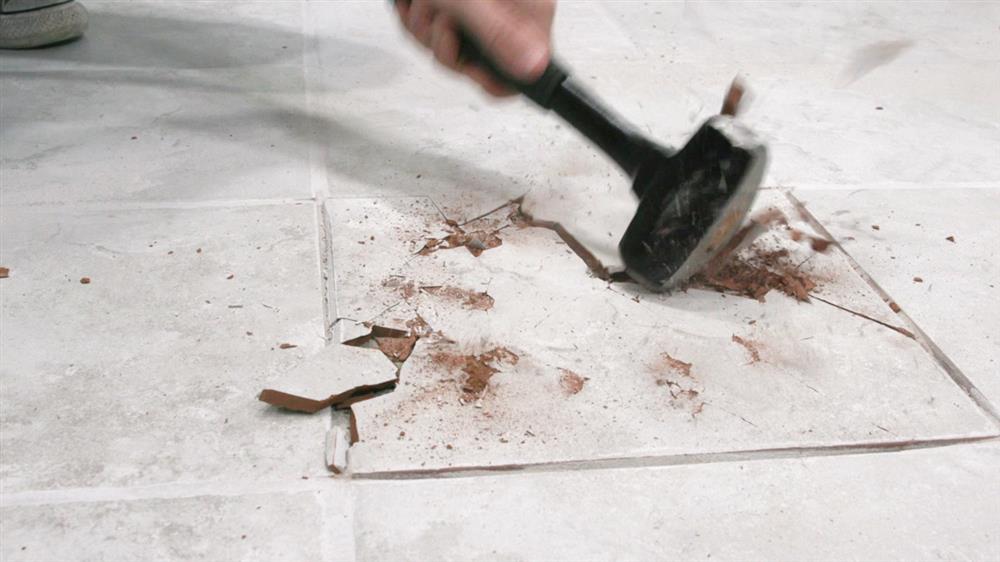
When you replace broken tiles, you have to do more than just switch out the old ones for new ones. The first step is to carefully take out the broken tile without upsetting the ones next to it. To make the surface smooth, the old glue needs to be scraped off. Before putting the new tile in place, new glue is spread uniformly over the old tile. After it has dried, grout is put on and sealed. This methodical way of fixing bathroom tiles makes sure that the new tiles match the old ones perfectly.
Fixing Cracked Tiles Without Having to Replace Them Completely
Not every crack needs the whole tile to be taken out. Epoxy fillers made for moist areas can occasionally help stabilize small cracks. These fillers get into cracks and harden, bringing back strength and looks. This solution won’t work for very bad damage, but it can make tiles last a lot longer. This method is commonly used when matching replacement tiles aren’t available, which makes it a good way to fix bathroom tiles for older designs.
Why Grout Repair is Important
Grout is very important for keeping tiles from becoming wet. Grout can break down or change color over time, which lets water get under tiles. To re-grout, you take out the old, damaged grout and put in new, waterproof material. Sealing the grout correctly puts the barrier back between the tiles and the moisture. This makes it an important part of fixing bathroom tiles that makes them last longer and stay clean.
Things to Think about When Waterproofing During Repairs
Waterproofing is especially important in bathrooms. When tiles are taken off, you may check the waterproof membrane underneath. Before resetting the tiles, any places that are damaged should be fixed. Ignoring problems with waterproofing can cause mold to grow and harm to the structure. Checking and strengthening the moisture protection layers is always part of good bathroom tile repair.
Repairing Floor Tiles vs. Repairing Wall Tiles

Repairing floor tiles is different from restoring wall tiles because of how much weight they can hold and how they move. Floor tiles need to be able to handle foot activity and changing loads, which means they need stronger adhesives and careful leveling. Wall tiles don’t have to hold weight, but they are more likely to get wet. Knowing these differences helps you choose the best way to fix bathroom tiles for each type of surface.
Tiles that Match for a Smooth Look
It might be hard to find tiles that match, especially in older bathrooms. If you don’t choose your replacements carefully, you can notice differences in color, size, and finish. Sometimes, imaginative fixes like adding accent tiles or reworking a tiny area might help repairs fit in organically. Careful design choices make sure that fixing the tiles in the bathroom makes the room look better instead of attracting attention to the patched places.
Do-It-Yourself Repairs vs. Professional Services
A lot of people think about doing their own repairs, especially for small problems. Do-it-yourself repairs can save you money, but they take time and focus. Professional services, on the other hand, come with guarantees, specific instruments, and expert knowledge. Looking at how bad the damage is can help you decide if you should fix the bathroom tile yourself on the weekend or hire professionals.
Things that Affect the Cost of Tile Restoration
The cost of repairs depends on the type of tile, how bad the damage is, and how much work is needed. Fixing little grout problems is not too expensive, but replacing a lot of tiles or fixing waterproofing problems costs more. Buying high-quality materials may cost more up front, but they will save you money on maintenance in the long run. Homeowners can better plan their budgets for bathroom tile repair if they know these things.
How to Keep Tiles from Getting Damaged in the Future
Repairing is just as vital as preventing. To keep tiles in good shape, check the grout lines often, clean up spills right away, and use light cleaning agents. Adequate ventilation keeps moisture from building up, which stops mold and glue from failing. Homeowners can make their tiled surfaces last longer and have to repair their bathroom tiles less often by developing good practices.
Tips for Keeping things Working for a Long Time
Regular care keeps tiles looking new and working well. Sealing the grout every so often keeps stains and moisture from getting in. Taking care of little chips right away stops them from getting bigger. Consistent care makes sure that repairs to bathroom tiles last for years and keep both their looks and their structure.
The Effect on the Environment of Fixing Instead of Replacing
Choosing to fix something instead of replacing it completely saves resources and cuts down on waste. Fixing old tiles cuts down on the amount of trash that goes to landfills and the need for new materials. This ecologically friendly way of thinking makes fixing bathroom tiles a long-lasting solution that is good for both homeowners and the world.
Things to Think about for Safety While Fixing Things
Tile repair uses sharp instruments, hefty materials, and chemicals. Putting on protective gear like gloves and goggles lowers the danger of getting hurt. Throwing of broken tiles and old grout the right way keeps people safe. If you follow safety rules, you can fix the tiles in your bathroom without hurting anyone or damaging anything.
When a Full Renovation Is the Best Choice
Sometimes the damage is too bad to fix with only a few repairs. If a lot of tiles are broken, there are leaks all the time, or the waterproofing systems are old, the whole place may need to be renovated. Homeowners can make better choices when they know when repairs are no longer enough. Even in these situations, knowing how to fix bathroom tiles can help you plan repairs that work.
Conclusion
To fix bathroom tiles, you need to know how to use the right tools, know about the materials, and take care of them before they break. Taking care of problems early, using good materials, and keeping repaired areas clean will all help the repairs survive. When you repair bathroom tiles, you’re not only fixing what’s damaged; you’re also keeping one of the most vital rooms in the house safe, comfortable, and beautiful.
Read More:- Timeless Green Tiles for Stylish Bathrooms