
.jpg "bathroom sink")
Introduction
A bathroom sink is more than just a useful piece of furniture. It is a key part of what makes a bathroom stylish, comfortable, and easy to use. This one thing helps with everyday rituals, from getting ready in the morning to winding down at night, and it also changes how the space looks and feels. More and more, homeowners are thinking about their sink choices as part of the design process instead of as an afterthought. The proper pick may turn a simple bathroom into a stylish, well-balanced space that meets your needs and reflects your style.
As bathrooms grow more like places to rest and take care of yourself, it’s important to pay attention to things like shape, material, placement, and proportion. A good sink can tie the vanity together, match the wall finishes, and make the room feel more open. Knowing how design, ergonomics, and durability interact together will assist make sure the sink fits well with the rest of the room.
The History of the Bathroom Sink

Over time, the bathroom sink has changed a lot. In the beginning, designs were mostly about hygiene and not at all about looks. People often used heavy ceramic basins that were either attached to walls or set on basic platforms. These basins were strong but didn’t allow for much creative freedom. As interior design became more important in homes, sinks became more than just functional items; they became design elements.
New ways of making things have opened up more alternatives than just classic porcelain. Sinks today come in a wide range of designs, including sculptural ones, streamlined ones, and new materials that combine style and utility. Depending on its design and finish, the bathroom sink can show off minimalism, luxury, rustic charm, or modern elegance.
Getting to Know the Different Types of Bathroom Sinks
Choosing a style is one of the most important things to do when picking a sink. Each style changes how the bathroom looks and how it works. Some designs focus on clean lines and simplicity, while others focus on dramatic shapes or classic charm.
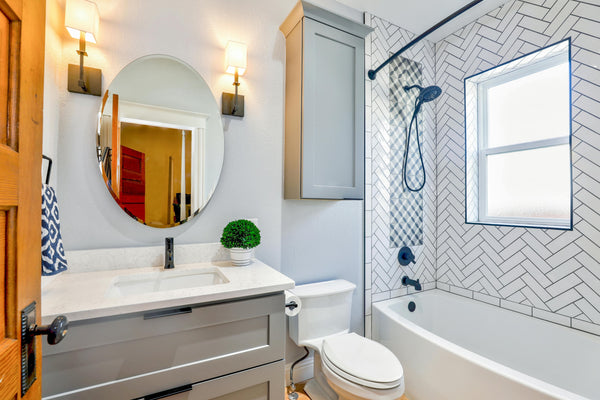
A countertop sink makes a strong visual statement by sitting above the vanity surface and capturing attention with its shape and material. Integrated sinks look like they are part of the countertop, making them easy to clean and giving the room a unified aspect. Wall-mounted designs make the space feel more open, especially in tiny bathrooms.
There are different types of bathroom sinks, and the perfect one for you relies on how much space you have, how you want to use it, and what look you want to achieve.
Choosing the Right Material for Long-Term Use
Choosing the right material has a direct impact on how long it lasts, how easy it is to care for, and how it looks. Ceramic is still one of the most popular alternatives since it has a smooth surface, doesn’t discolor easily, and looks good forever. It looks good in both traditional and modern rooms, and it’s easy to keep clean with frequent cleaning.
Stone and composite materials add a touch of elegance and texture. These materials frequently have natural patterns that make each bathroom sink different. Glass sinks look trendy and light, but they need to be cleaned carefully to keep their clarity. Metal alternatives, such stainless steel and brass, give a space an industrial or historical look while being very strong.
Choosing a material that looks well and works well can keep the sink looking good and working well for years.
Placement of the Bathroom Sink and Balance of Space
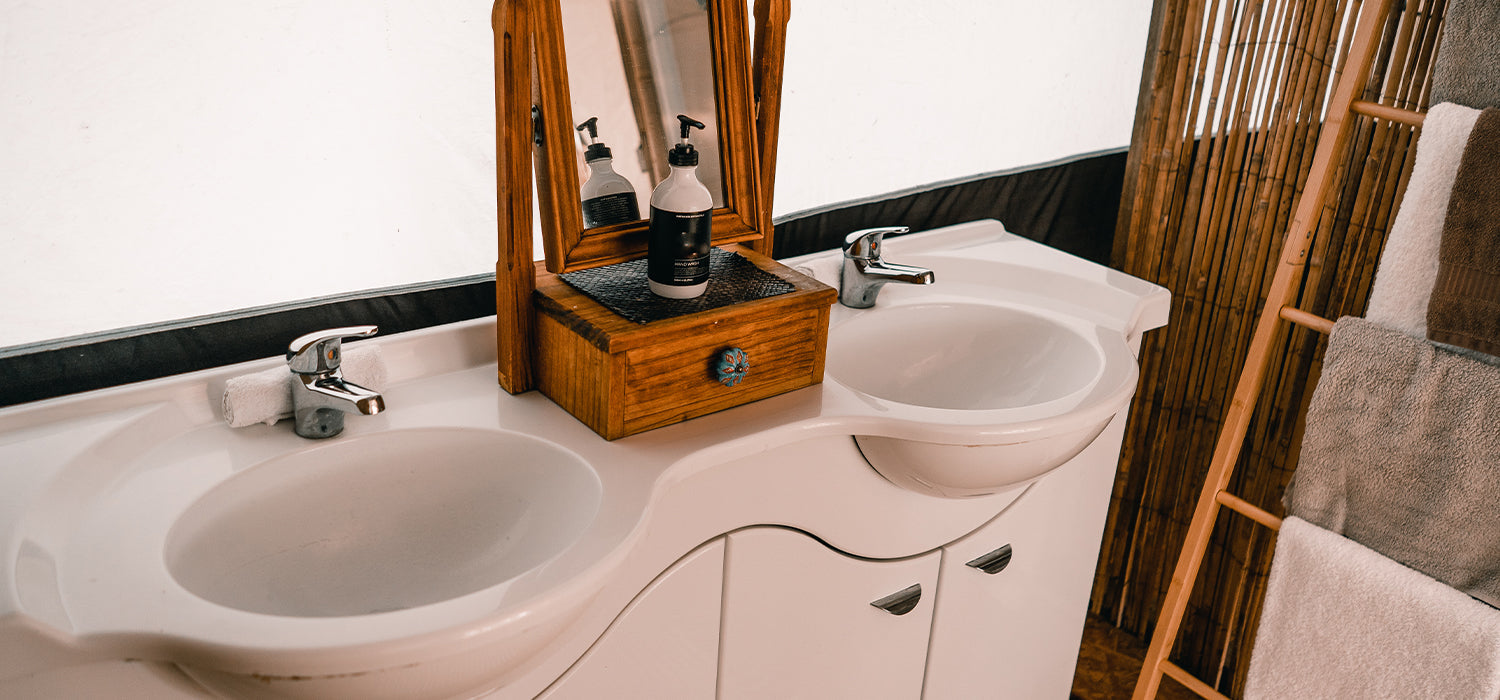
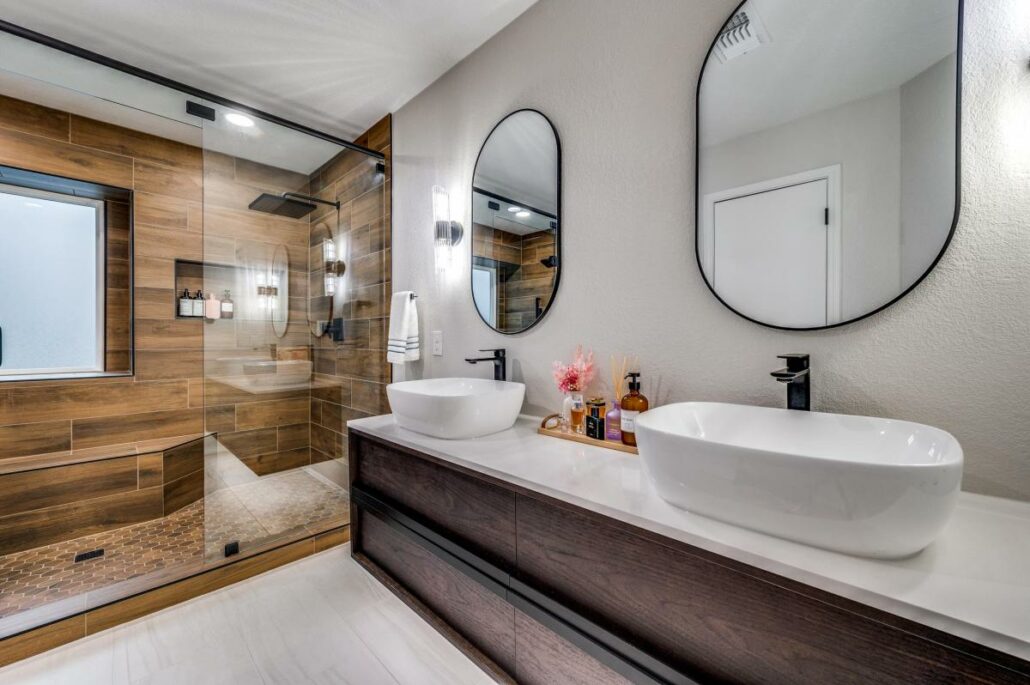
Placement is really important for comfort and how things look together. The sink should be at a height that makes it easy to use without straining, and it should also be in line with mirrors, lights, and cabinets. Dual sinks can make shared bathrooms more useful and less crowded during peak times.
When space is limited, strategic positioning can help you move about and store things more effectively. By optimizing sightlines and cutting down on visual clutter, a well-placed bathroom sink may make the room feel bigger. In bigger bathrooms, the sink can be a design anchor that draws attention with its size and material contrast.
What the Bathroom Sink Does in Small Bathrooms
Small bathrooms need smart design solutions, and the sink is a key part of making this happen. A small bathroom sink with clean lines and little mass can make the area much more useful without making it feel too crowded. Wall-mounted or corner sinks work well in small spaces when there isn’t much floor space.
Using lighter colors and reflecting finishes can make the room look bigger. Putting smart storage solutions under or next to the sink keeps things organized and makes sure that important things are always close at hand. In small bathrooms, the sink has to do more than just look good; it also has to work well.
How to Make the Bathroom Sink Fit with the Vanity Design
The way the sink and vanity are set up affects a lot of the bathroom’s style. A well-integrated vanity not only supports the sink, but it also adds storage and elegance. This combination should feel planned and balanced, whether the sink is on top, recessed, or blends in with the countertop.
To avoid a clash of colors, materials and finishes should go well together. A simple vanity design goes well with a dramatic bathroom sink, while a minimum sink lets you be more creative with your cabinets. When put together in a smart way, the sink and vanity become one piece instead of two distinct pieces.
Things to Think About for Hygiene and Maintenance
Long-term happiness depends on how easy it is to keep up with. Surfaces that are smooth and not porous are less likely to get stains and bacteria, which makes cleaning them every day easier and more effective. Cleaning the faucet and drain regularly with a soft cloth and gentle cleansers will help keep the finish and stop dirt from building up.
Details like rounded edges and built-in backsplashes make it harder for water and dirt to build up. Picking a bathroom sink that helps with hygiene not only keeps the area appearing clean, but it also makes it healthier for everyday use.
Water Efficiency and Sustainability
Sustainability is becoming more important in modern bathroom design, and the choice of sink is part of this endeavor. Long-lasting materials that don’t break easily cut down on waste and the need to replace things often. Putting water-saving faucets on the sink helps save resources without making it work less well.
Some materials are made in ways that are good for the environment, which makes them good choices for homeowners who care about the environment. A well-chosen bathroom sink can help you reach your sustainability goals while still looking good and being comfortable.
The Future of Bathroom Sink Design: What to Look For

People want things to be more personal and natural, as seen by current trends. Organic shapes that are inspired by nature are becoming more popular since they are gentler than strict geometric designs. Textured finishes and earthy colors make the inside of a bathroom feel warmer and deeper.
Minimalist designs are still popular since they are simple and useful. At the same time, statement sinks are becoming more widespread and are becoming the main focus of the room. The bathroom sink is still changing as a useful piece of furniture and a decor focal point.
Personalization and Customization
Customization lets homeowners make the sink fit their needs. Personalized designs give you a sense of ownership and originality by letting you choose the form, finish, and size of your items. A bespoke bathroom sink can fit your lifestyle and go well with the décor of your home.
Design that lets people express themselves gives the room more emotional significance. When the sink matches your style, the bathroom becomes more than just a place to do your business; it becomes a space that feels inviting and well-planned.
Things to Avoid When Choosing a Bathroom Sink
Putting looks ahead of utility is a common mistake. A sink that looks great but is too shallow or too wide can be annoying to use every day. Another problem is not measuring correctly, which can cause things to not fit right or be uncomfortable.
If you don’t take care of your things, you can be unhappy for a long time. To find a bathroom sink that looks good and works well, you need to think about your lifestyle and the amount of space you have.
Conclusion
Choosing the proper sink makes a lasting impression on both residents and guests. It affects how the bathroom works, how it feels, and how it fits in with the rest of the house. A well-chosen bathroom sink makes daily tasks easier and adds to the feeling of comfort and style.
Homeowners may make smart choices that will last by thinking about style, material, placement, and maintenance all at once. The sink in the bathroom is not simply a piece of furniture; it is a defining feature that defines the whole experience of the room.
Read More:- Peel and Stick Bathroom Tile Guide