House Siding in Iowa City, IA: Material Choices That Improve Curb Appeal and Protection

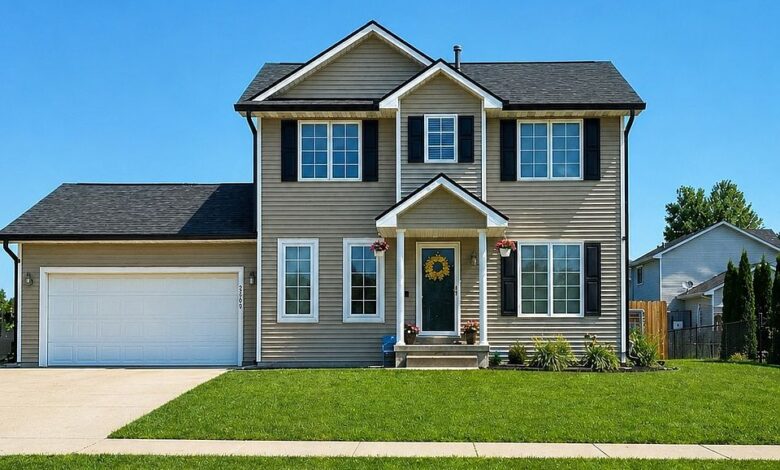
Your home’s siding plays a major role in its architectural appearance and everyday protection. It creates the visible exterior finish while helping shield the underlying wall structure from rain, wind, sunlight, and temperature changes. Selecting the right material requires balancing appearance, durability, maintenance, and installation requirements.
When considering house siding in Iowa City, IA, homeowners should evaluate how different products perform under local weather conditions and how well they complement the property’s design. A carefully selected siding system improves exterior consistency while supporting long-term maintenance and moisture management.
How Siding Influences Your Home’s Appearance
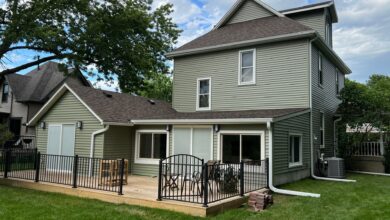
Siding is one of the largest visible elements of a residential exterior. Its color, texture, profile, and arrangement influence how the entire property looks.
For example, horizontal lap siding creates a traditional residential appearance, while vertical siding introduces a more contemporary architectural effect. Board-and-batten designs add visual dimension and work well with farmhouse-inspired exteriors.
Color selection also makes a difference. Neutral shades provide a timeless appearance, while deeper colors create stronger contrast with lighter trim and window frames.
Before selecting a product, consider your roof color, brickwork, exterior doors, landscaping, and neighboring architectural styles. Coordinating these elements creates a balanced exterior rather than making individual design choices that compete with one another.
Popular House Siding Materials in Iowa City
Different siding products offer different advantages. Understanding their characteristics helps you narrow your options.
Vinyl Siding: Practical Exterior Maintenance
Vinyl siding is a popular option for homeowners who prefer a wide selection of colors and relatively low maintenance requirements.
Its advantages include:
- Multiple colors and panel profiles.
- No routine painting requirement.
- Resistance to moisture-related deterioration.
- Relatively straightforward cleaning.
- Availability in traditional and modern designs.
Vinyl panels require proper installation clearances because temperature changes cause expansion and contraction. Incorrect fastening can contribute to buckling or distortion.
Vinyl siding typically has a service life of about 20–40 years when properly installed and maintained. Its lower maintenance requirements can also make it a cost-effective choice, although total project costs vary based on product quality, home size, removal requirements, and installation complexity.
Fiber Cement: Durable and Versatile
Fiber cement siding offers a solid exterior finish with different textures and design options. It can replicate the appearance of painted wood while providing a different maintenance profile.
Homeowners appreciate its resistance to many common exterior problems, although the product still requires correct installation, edge protection, and periodic maintenance according to manufacturer instructions.
Fiber cement siding can often last 30–50 years or longer with proper installation and maintenance. It generally costs more to install than vinyl because of its material weight, cutting requirements, and installation labor.
Engineered Wood: A Natural Appearance
Engineered wood siding provides the appearance of traditional wood with manufactured construction. It is available in several styles, making it suitable for homes with traditional or contemporary architectural designs.
Proper installation and protection of exposed edges are important for managing moisture exposure.
Engineered wood siding commonly has an expected service life of around 20–30 years, depending on the product, installation, climate exposure, and maintenance. Its installed cost generally falls between common vinyl and higher-end siding options, although pricing varies by product and project requirements.
Natural Wood: Traditional Character
Natural wood siding creates a distinctive appearance through its grain, texture, and finish. Cedar and other suitable wood products offer different visual characteristics.
However, homeowners should expect periodic painting, staining, inspections, and repairs to maintain its condition.
With consistent maintenance, natural wood siding can last roughly 20–40 years or longer, depending on the wood species and exposure conditions. It can have higher ongoing maintenance costs than vinyl because staining, painting, repairs, and moisture protection may be required more frequently.
Understanding Insulated Siding and Energy Efficiency
Insulated siding incorporates an insulation layer into the exterior panel system. Depending on the product, it can help reduce thermal bridging and improve the thermal performance of the exterior wall assembly.
Insulated siding is commonly compared by its R-value, which measures resistance to heat flow. Many insulated siding products provide an R-value around R-2 to R-3, although the exact value varies by product and manufacturer. Homeowners should compare the published R-value when evaluating different insulated siding products.
For Iowa City homes, evaluating insulation is especially important because seasonal temperature changes place demands on heating and cooling systems.
However, exterior siding should be considered alongside existing wall insulation, air sealing, windows, and attic insulation. An insulated siding product does not automatically correct gaps or deficiencies elsewhere in the building envelope.
Discuss the product’s insulation value, installation specifications, and compatibility with your home’s existing wall construction before making a decision.
Design Details That Make a Difference
Choosing siding involves more than selecting a material. Small design decisions influence the finished appearance.
Consider these options:
- Mixed siding profiles: Combining horizontal and vertical siding adds architectural interest.
- Contrasting trim: Different trim colors highlight windows, doors, and exterior corners.
- Accent sections: Distinct siding styles can emphasize front-facing gables or entryways.
- Coordinated colors: Matching siding with roofing and exterior finishes creates a consistent appearance.
- Decorative details: Shutters, fascia, and corner boards help complete the overall design.
Avoid introducing too many competing textures or colors. A coordinated exterior generally creates a cleaner and more attractive result.
Maintaining Your Siding Through Every Season
Regular maintenance helps preserve the appearance and performance of exterior siding, but the required upkeep varies by material.
Vinyl siding: Wash surfaces periodically with manufacturer-recommended methods and inspect for cracks, loose panels, buckling, or impact damage. Vinyl generally does not require painting, but damaged sections should be replaced promptly.
Fiber cement siding: Inspect painted surfaces, joints, and exposed edges regularly. Repainting or touch-ups may be needed as finishes wear, while damaged caulking should be replaced to help manage moisture exposure.
Engineered wood siding: Keep painted or finished surfaces in good condition and inspect exposed edges, joints, and areas near openings for moisture-related deterioration. Follow the manufacturer’s recommendations for repainting and sealing.
Natural wood siding: Expect more frequent maintenance, including inspections, staining or painting, moisture protection, and repairs to damaged or deteriorated boards. Pay particular attention to areas exposed to water or poor drainage.
Start by washing surfaces with appropriate cleaning methods recommended by the manufacturer. Avoid excessive pressure that could force water behind panels or damage protective finishes.
Inspect siding for cracks, loose sections, fading, and damaged caulking around appropriate exterior joints. Check areas near windows, doors, and utility openings because these locations require careful moisture management.
Keep shrubs and vegetation from pressing directly against siding. Proper clearance improves airflow and makes inspections easier.
After severe weather, examine the exterior for loose panels, impact damage, and displaced trim. Address problems promptly to prevent additional deterioration.
Planning a Siding Replacement Project
Before starting an exterior renovation, compare product warranties, maintenance requirements, installation specifications, expected service life, and total project costs.
Ask for a written estimate that identifies siding materials, trim components, removal of existing panels, wall preparation, flashing, and cleanup. Confirm whether the contractor will inspect the underlying wall for moisture damage before installing the new system.
A complete siding installation should also account for the weather-resistive barrier (WRB) behind the siding. The WRB helps manage water that gets past the exterior cladding, while properly installed flashing helps direct water away from vulnerable areas around windows, doors, roof intersections, and other openings. These components work with the siding system to support long-term moisture management.
Choosing materials based only on their initial price can overlook important differences in maintenance and long-term performance.
Upgrade Your Home’s Exterior With Confidence
The right siding system combines attractive design with reliable exterior protection. Whether you prefer low-maintenance vinyl, versatile fiber cement, engineered wood, or traditional natural wood, your selection should reflect your home’s architecture and maintenance expectations.
If you are considering house siding in Iowa City, IA, arrange a professional exterior assessment. Discuss material options, compare installation estimates, and choose a siding solution that enhances your home’s appearance while protecting its structure for years to come.