Best Paint for Kitchen Cabinets for a Smooth and Durable Finish

Introduction
The style and feel of a kitchen depend a lot on the cabinetry. They take up a lot of room, get used every day, and are always exposed to moisture, grease, and fluctuations in temperature. It’s not only about what color you want when it comes to choosing the right paint for kitchen cabinets. You also need to think about how long it will last, how well it will finish, how easy it will be to clean, and how well it will work over time. If you choose the wrong paint, your cabinets could chip, peel, or fade in just a few months. But if you choose the perfect paint, they will seem new and polished for years.
This article covers everything you need to know about painting cabinets, from knowing what materials they are made of to choosing the right paint kind, finish, and application method. This article will help you make smart choices that will give you professional-level results, whether you’re updating an old kitchen or putting together a new one.
Why You Need to Pay Extra Attention to Kitchen Cabinet Paint
One important way that kitchen cabinets are different from walls is because they are used all the time. People open and close doors many times a day, drawers move in and out, and hands that may have oils or food on them touch surfaces. Also, cabinets are often near places where people cook, which means they are always exposed to heat, steam, and grease. Normal wall paint isn’t made to endure this much stress.
The best paint for kitchen cabinets is made to last through repeated cleaning, resist damage from moisture, and stick to smooth surfaces like wood, laminate, or MDF. Cabinet paint needs to dry to a tougher finish than wall paint so that it lasts longer without looking bad.
Before You Choose Paint, You Need to Know What the Cabinets are Made Of
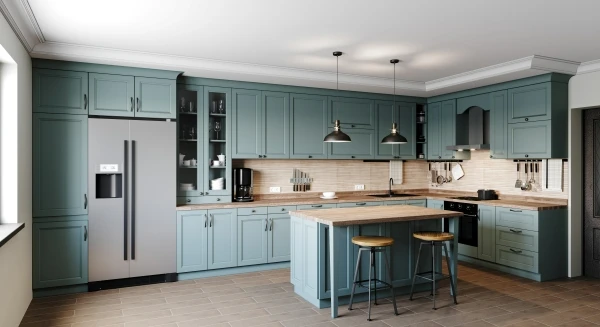
Before you choose paint, you need to know what your cabinets are composed of. You can simply paint solid wood cabinets, and they look traditional and rich when you do. When properly primed, MDF cabinets have a smooth surface that makes paint look perfect. Because laminate cabinets are so smooth, they need specific preparation and paint that sticks well.
Different types of paint work better on different types of surfaces, so it’s important to pick one that sticks well to your cabinet. No matter if the surface is porous or not, the finest paint for kitchen cabinets should stick well.
Different Kinds of Paint that Work Well on Kitchen Cabinets
There are many different kinds of paint that people use on kitchen cabinets, and each one has its own pros and cons. People have traditionally complimented oil-based paint for how smooth it is and how long it lasts. But it takes longer to dry and smells worse. Water-based latex paints have come a long way and now last longer, dry faster, and are easier to clean up.
Hybrid enamel paints are strong like oil-based paints but easy to use like water-based paints. These paints are becoming more and more popular since they give a durable, furniture-like finish without taking a long time to cure. When looking for the best paint for kitchen cabinets, hybrid enamel paints are often the greatest choice for modern kitchens.
Why the Finish on Cabinets is Important
The finish of the paint impacts how it looks, how long it lasts, and how easy it is to care for. High-gloss coatings are very strong and easy to clean, but they tend to show flaws in the surface. Semi-gloss finishes are a good choice for kitchens since they are both shiny and useful. When applied appropriately, satin finishes look softer and are nevertheless strong enough.
Most of the time, cabinets shouldn’t have flat or matte finishes since they soak up stains and are hard to clean. A semi-gloss or satin finish is usually the best choice for kitchen cabinets since it makes them look good and protects them.
Durability and Longevity in Kitchens with Lots of Traffic
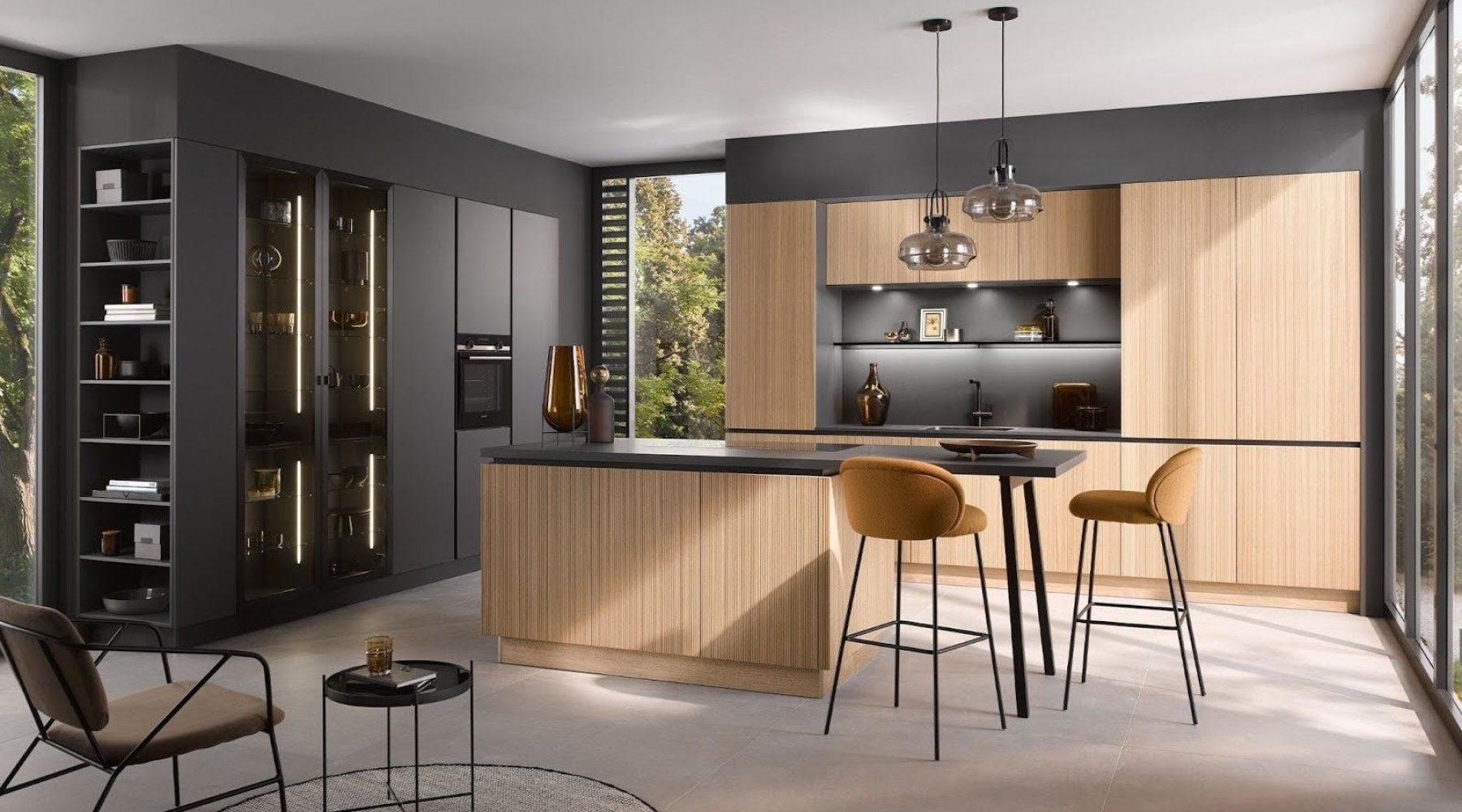
One of the most important things to think about when picking cabinet paint is how long it will last. Kitchens get a lot of foot traffic, and cabinets are used all the time. A kitchen can rapidly look old and neglected if the paint chips or scrapes readily.
High-quality cabinet paints are made to stand up to scratches, stains, and water damage. They also keep their color even after being cleaned many times. Choosing the right paint for kitchen cabinets will make sure that your investment lasts for years without needing to be touched up often.
Things to think about When it Comes to Heat and Moisture Resistance
Kitchens create heat and humidity, especially around the stove. If paint doesn’t resist moisture, it may blister or peel over time. Heat-resistant characteristics stop changes in color and cracks that happen when the temperature changes.
The ideal paint for kitchen cabinets is one that protects against moisture while also being flexible enough to adapt to changes in the environment. This function is especially important in homes where there isn’t much air flow.
Choosing Colors and How they Affect the Design of the Kitchen
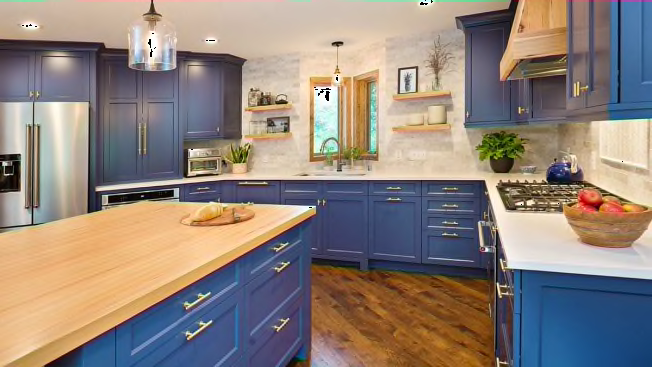
Color is very important in setting the ambiance and design of a kitchen. Light colors can make a tiny kitchen feel open and airy, while dark hues can make it feel more sophisticated and deep. Bold hues make a statement, while neutral tones are always in style.
The quality of the paint is more important than the color you choose. The best paint for kitchen cabinets covers the color evenly and doesn’t fade, especially in kitchens with a lot of natural light.
Getting Cabinets Ready for a Professional Paint Job

Choosing the right paint is just as crucial as getting ready. To get rid of filth and oil, cabinets need to be cleaned well. Light sanding makes the surface better for paint to stick to. Priming is very important, especially when painting over dark colors or shiny finishes.
Even the greatest paint for kitchen cabinets can fail too soon if you don’t follow the procedures to get ready. A smooth, long-lasting finish that looks like it was done by a pro is only possible with good prep.
How to Apply That Affects Results
The way you apply paint has a big effect on how the cabinets look when they’re done. Brushes let you do detailed work, but if you’re not careful, they might leave strokes that are easy to see. Rollers cover everything evenly, however they could have trouble with small areas. Spraying gives the smoothest finish, which is very similar to how cabinets are finished in a factory.
No matter how you do it, thin, even coats give the best results. Giving each coat enough time to dry before putting on the next one makes sure that it cures and lasts.
A look at Drying Time and Curing Time
A lot of people mix up curing time with drying time. When paint feels dry to the touch, that’s the drying time. The curing time is how long it takes for paint to get as hard as it can be. Cabinets may feel dry after a few hours, but it might take days or even weeks for them to fully cure.
The best paint for kitchen cabinets will harden into a strong, long-lasting surface, but you need to be patient while it does this. To keep the paint from getting damaged, don’t use it a lot until it’s completely dry.
Cleaning and Taking Care of Things after Painting
Taking care of painted cabinets properly makes them last longer. Cleaning regularly with mild, non-abrasive chemicals helps keep the finish looking good. Stay away from strong chemicals that could peel paint or make it less shiny.
High-quality cabinet paint is easy to clean and doesn’t get stained, so it’s easy to keep up with. Choosing the right paint for your kitchen cabinets makes them easier to care for over time and keeps your kitchen looking new.
Things to think About for the Environment and Health
Modern paint formulas are mostly about cutting down on hazardous emissions. Low-VOC and zero-VOC paints make the air inside better and make painting safer for families. These paints are very significant in kitchens, where food is made.
The finest paint for kitchen cabinets is one that is both good for the environment and good for your health. It should last a long time without hurting your health.
Things You Shouldn’t Do When Painting Cabinets
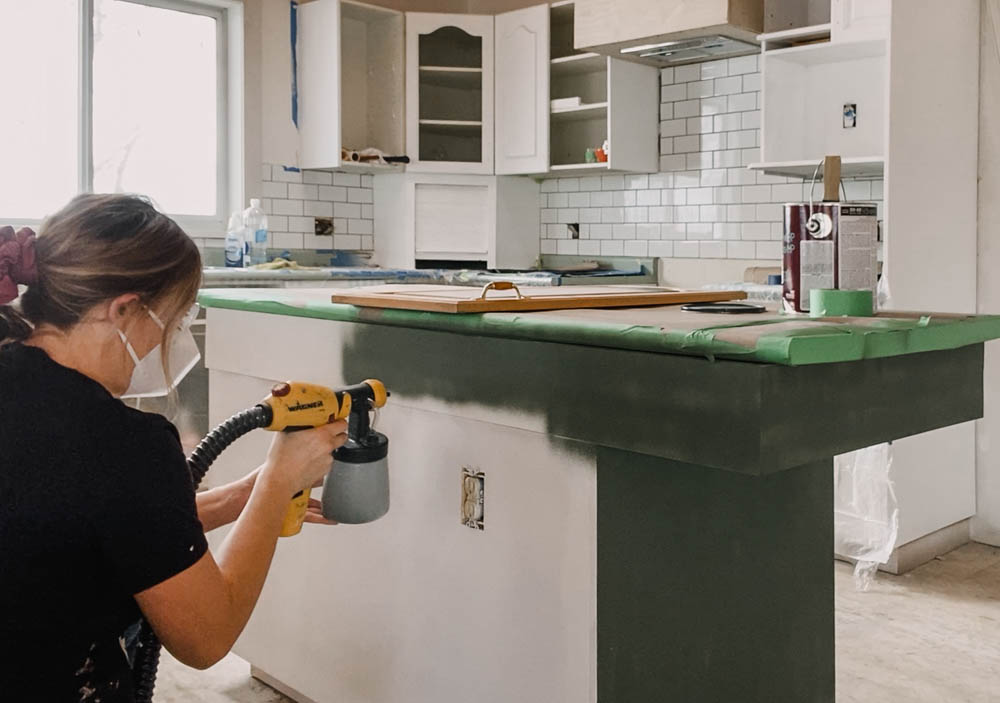
One of the biggest mistakes people make is to hurry the process. If you don’t clean well, omit the priming, or put on thick coats, you might not get good results. Another common problem that impacts how long paint lasts is picking the improper type.
By not making these mistakes, you can be confident that the finest paint for kitchen cabinets will do what it is supposed to do and give you a smooth, long-lasting finish.
Comparing the Results of DIY Painting to those of a Professional
It can be cheap to paint your own cabinets, but you need to be patient and pay attention to the details. Professionals have the right equipment, experience, and ways of working that make the end result better.
Choosing the right paint for kitchen cabinets is the most important part of any project, whether you do it yourself or hire someone else.
How the Weather Affects Paint Performance
The weather can change how long it takes for things to dry and cure. When the air is very humid, it can take longer for paint to dry. On the other hand, when the air is really hot, it might dry too rapidly, which can cause uneven finishes. Knowing about the weather in your area might help you pick the proper paint and when to use it.
The finest paint for kitchen cabinets is made to work well in a variety of situations, so you can count on it to work effectively in any setting.
Taking into Account the Budget Without Lowering Quality
Premium paints may cost more at first, but they generally save money in the long term because you don’t have to repaint as often. You might have to do additional coats and touch-ups on cheaper paints.
Buying the best paint for kitchen cabinets will provide you better coverage, longer-lasting paint, and better overall value.
Getting a Factory-Like Finish at Home
A finish that seems like it came from a factory is smooth, even, and has no obvious brush marks. To do this at home, you need to get ready, use good paint, and apply it carefully. It’s important to use thin coats and give them enough time to dry.
With the correct paint and technique, homeowners can get results that are as good as those of a professional.
Conclusion
Picking the appropriate paint for kitchen cabinets is important for both how they look and how well they work. You should think about more than just color and style when choosing a paint color. You should also think about how long it will last, how easy it will be to clean, and how well it will withstand moisture.
You can make your kitchen feel new, attractive, and built to last by choosing the right paint for your cabinets and following the right methods for preparation and application. This careful method makes sure that your cabinets stay beautiful and strong even after years of regular use.
Read More:- Gray Kitchen Cabinets for Timeless, Modern, and Elegant Homes