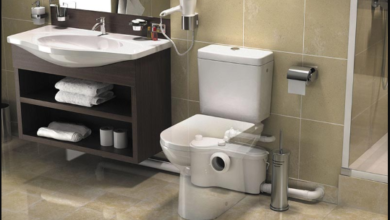


You run your bathroom fan every single time you shower. You even leave it on for twenty extra minutes afterward, just like every home blog tells you to. And yet, that dark ring keeps showing up in the same ceiling corner. If this sounds familiar, you’re not doing anything wrong. The problem usually isn’t your habits. It’s what’s happening behind your wall, where you can’t see it.
Your Fan Might Be Working Against You
Most homeowners assume a working exhaust fan means the moisture is leaving the house. In reality, a huge number of bathroom fans are hooked up to ductwork that dumps warm, wet air into the attic instead of outside. Over time, that moisture soaks into the insulation and roof sheathing, creating the perfect breeding ground for mold in a place nobody thinks to check. So even though your bathroom looks dry, the real damage is happening one floor up.
This is also why store-bought mold sprays and constant scrubbing rarely fix the problem for good. You’re treating the spot you can see while the moisture source keeps feeding new growth somewhere else. If you’ve scrubbed the same patch three or four times this year and it always comes back, it’s worth finding out exactly what you’re dealing with rather than guessing. A professional mold testing in Maryland service can pinpoint whether the mold is limited to the surface or has spread into the attic, walls, or HVAC system, which changes the entire approach to fixing it.
Check the Fan’s Duct Run, Not Just the Fan
Here’s something most guides skip entirely. A bathroom fan is only as good as the ductwork connected to it. If the duct run is too long, has too many bends, or is crushed somewhere in the attic, the fan simply can’t push air out fast enough, no matter how powerful it is. A good rule of thumb is that every 90-degree bend in the ductwork reduces airflow the same way adding several extra feet of pipe would. Homeowners often buy a stronger fan thinking that will solve the problem, when the real fix is shortening or straightening the duct path.
It also matters whether the duct actually terminates outside the house. Some older homes have fans that vent straight into the attic space with no outdoor exit at all. That’s an easy thing to check with a flashlight on a dry day, and it’s often the single biggest reason bathroom mold keeps returning no matter how often you clean it.
Don’t Overlook What’s Under the Sink
Bathroom moisture doesn’t only come from showers. Slow, hidden leaks under sinks or around the base of a toilet can quietly feed mold growth for months before anyone notices a stain. This is where basic home upkeep really pays off. Sticking to a routine of regular plumbing maintenance catches these small leaks early, before they turn into a bigger, more expensive mold problem behind your cabinets or flooring. A five-minute check under the sink once a month is a small habit that saves a lot of hassle later.
Learn to Read the Early Warning Signs
Once you’ve addressed the ventilation and plumbing side of things, it helps to know what you’re actually looking for. Mold doesn’t always show up as an obvious black patch. Sometimes it looks like a faint yellowish stain, a slightly bubbled patch of paint, or a musty smell that seems to fade in and out depending on the weather. Knowing how to spot these early clues means you can catch a problem while it’s still small and manageable.
If you want a clear walkthrough of what these early signs look like room by room, a detailed guide on how to identify and test for mold in your home breaks down the process step by step, from smell tests to moisture meters. Learning these basics gives you a head start before things get out of hand.
A Few Simple Habits That Actually Help
Beyond fixing the ductwork and checking for leaks, a handful of small habits make a real difference over time. Wipe down wet surfaces after a shower instead of letting water air dry. Crack a window when weather allows, even for ten minutes. Keep a small dehumidifier running in bathrooms without windows. None of these are difficult, but together they lower the humidity enough to make your space far less inviting to mold spores.
Mold problems rarely come from one single mistake. They build up slowly from a mix of poor airflow, hidden leaks, and moisture that has nowhere to go. Once you understand where the moisture is actually escaping to, or failing to escape, the fixes become much clearer. Start with the ductwork, keep an eye on your plumbing, and trust your nose when something smells off. Your bathroom, and the rest of your home, will thank you for it.