

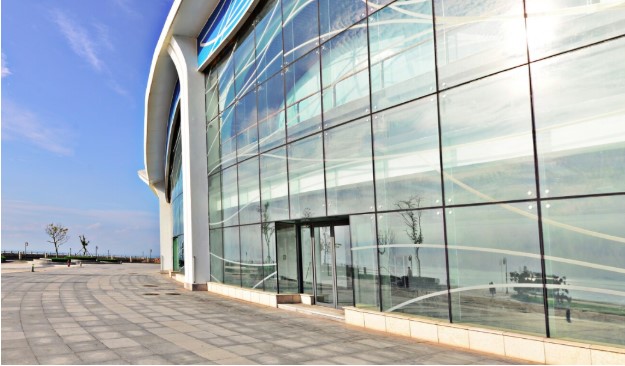
Investing in the right fenestration for a business property is a significant decision that impacts aesthetics, security, and operational efficiency. Choosing commercial windows requires a careful evaluation of various technical and practical factors to ensure the longevity and performance of the structure.
Many stakeholders often overlook these critical details, leading to increased long-term costs. By understanding the core requirements, businesses can make informed decisions that benefit their bottom line.
Energy Efficiency and Thermal Performance
Energy management is a top priority for modern facility managers. High-performance glass and robust frames in commercial windows are essential for maintaining indoor climate control. By minimizing heat transfer, you significantly reduce heating and cooling costs throughout the year.
It is important to look for low-emissivity coatings and double- or triple-pane configurations that enhance insulation, ultimately contributing to a sustainable, energy-conscious, and cost-effective office environment that keeps occupants comfortable during extreme weather conditions.
Durability and Material Selection
A professional building demands materials that can withstand environmental stressors, such as harsh winds, heavy rain, or severe temperature fluctuations. Aluminum is a popular choice due to its strength-to-weight ratio and resistance to corrosion, while fiberglass offers excellent thermal properties.
Selecting the right units involves balancing material longevity with maintenance requirements to ensure they remain functional, secure, and attractive for many decades, protecting your initial investment.
Security and Structural Integrity
Safety is non-negotiable in a business setting. Commercial-grade products must be engineered to resist forced entry and provide structural stability under high wind loads or seismic activity.
Impact-resistant glazing and heavy-duty locking mechanisms are critical components that safeguard your valuable assets and occupants. Ensuring that the window frames are properly anchored to the main building structure is just as important as the inherent strength of the tempered glass itself.
Aesthetic Appeal and Building Design
The visual impact of a building facade plays a crucial role in branding and attracting high-quality clients. The design of your commercial windows should complement the architectural style of the structure, whether it is a modern glass-clad skyscraper or a traditional brick complex.
Harmonizing frame colors, profiles, and glass types helps create a cohesive look that enhances the professional image and market value of the entire business property.
Acoustic Insulation Needs
Noise pollution can significantly hinder productivity in urban or high-traffic areas. If your building is located near a busy highway or in a noisy industrial zone, sound transmission should be a key consideration.
Laminated glass and specialized spacers can dampen external vibrations and provide a quiet indoor atmosphere, which is essential for maintaining employee focus, mental clarity, and client comfort in competitive office spaces.
Compliance and Building Codes
Before finalizing any purchase, you must ensure that your selections meet local safety and building regulations. Fire safety requirements, egress standards, and wind-load performance guidelines are often mandated by law.
Consulting with professionals ensures that your installation of commercial windows adheres to all legal standards, preventing costly redesigns or potential fines that could arise from non-compliant installations during future building inspections or complex property renovations.